| Back to... |
| Share Our Stories! - Click Here | |
Afghanistan’s Silent Cancer Crisis
|
|
| By Dr Mohammed Daud Miraki | |
|
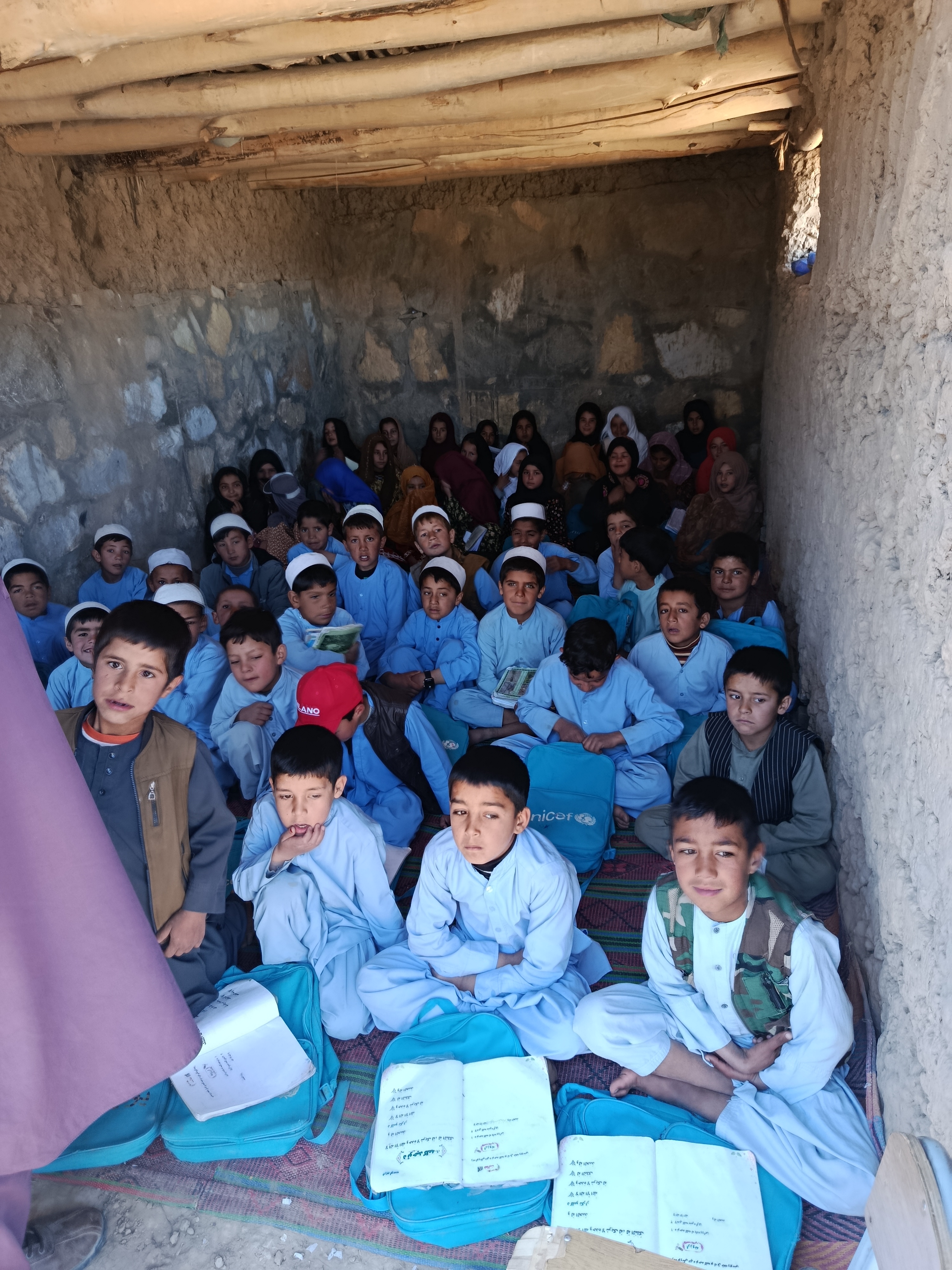
Across Afghanistan, a silent and devastating crisis is unfolding. Cancer is no longer a rare illness whispered about in isolated cases—it has become a widespread and growing reality affecting families in every corner of the country. From remote villages to densely populated communities, more and more Afghans are facing diagnoses that come too late, with too few options, and far too little support. Doctors and health workers across Afghanistan are witnessing a troubling rise in multiple types of cancer. Among the most common are stomach cancer, esophageal cancer, lung cancer, breast cancer, and blood-related cancers. What makes this situation even more tragic is that many of these cases are detected at advanced stages, when treatment is difficult, costly, and often out of reach. This growing crisis did not emerge in isolation. Afghanistan has endured decades of war, and with it, the long-term environmental and human consequences of modern weaponry. Among these are uranium and depleted uranium munitions, which have been used in conflict settings. Their remnants do not simply disappear—they persist in the environment, raising serious concerns among researchers and observers about potential long-term health impacts, including increased cancer risks. For the people of Afghanistan, however, this is not a matter of debate. It is a lived reality. It is the mother who notices her child weakening without explanation. It is the father who can no longer swallow food due to advanced esophageal cancer. It is the young woman facing a diagnosis without access to early screening or treatment. Despite the growing burden, Afghanistan does have a national cancer program, but it operates with extremely limited resources. Available evidence and field observations suggest that diagnostic capacity remains highly constrained, with only a small number of functioning pathology laboratories relative to population needs. Radiotherapy services are extremely limited—restricted to very few facilities nationwide—leaving the vast majority of patients without access. Specialized oncology care, including trained oncologists and standardized treatment protocols, remains insufficient compared to the rising caseload. As a result, a significant proportion of patients are diagnosed at late stages, when treatment options are limited and outcomes are poor. For most patients, seeking care abroad is financially unfeasible, forcing many to rely on minimal or palliative support within the country. Yet even in the face of such hardship, there are efforts underway to provide hope—practical, immediate, and accessible support for patients. In resource-limited environments, healthcare providers and advocates are exploring all possible avenues to assist patients, including the careful use of repurposed medications alongside supportive therapies. Some of these include widely known antiparasitic medicines such as fenbendazole, mebendazole, and ivermectin, as well as essential vitamins and nutritional supplements to strengthen the body during illness. While such approaches are being explored in difficult settings, they are intended to complement—not replace—proper medical care where available. However, these efforts cannot continue without support. Afghanistan’s cancer patients are not asking for advanced systems overnight. They are asking for the basics: access to essential medicines, vitamins, nutritional support, and the chance to fight their illness with dignity. They are asking for someone, somewhere, to care enough to act. There is a shared humanity in this moment that transcends borders, politics, and history. This is not about assigning blame—it is about responding to suffering with compassion and responsibility. A Moment to Act Today, you have an opportunity to make a direct and meaningful difference. Your contribution—no matter how small—can help provide: Essential medications, including repurposed treatments such as fenbendazole, mebendazole, and ivermectin Vitamins and nutritional support for weakened patients Basic diagnostic and care services for those with no access For a patient in Afghanistan, even modest support can mean the difference between despair and hope… between being forgotten and being cared for. If this message speaks to your humanity, we invite you to take action now. 👉 Support cancer patients in Afghanistan by contributing here: Your support is not just a donation—it is a lifeline. At a time when suffering is often unseen, your choice to act quietly and compassionately can restore dignity, extend hope, and save lives. A typical school in a rural Afghan village. These children are in an area
|